48 movements
Filter by muscle group, equipment and difficulty; search by name or description.
48 exercises listed
Chest
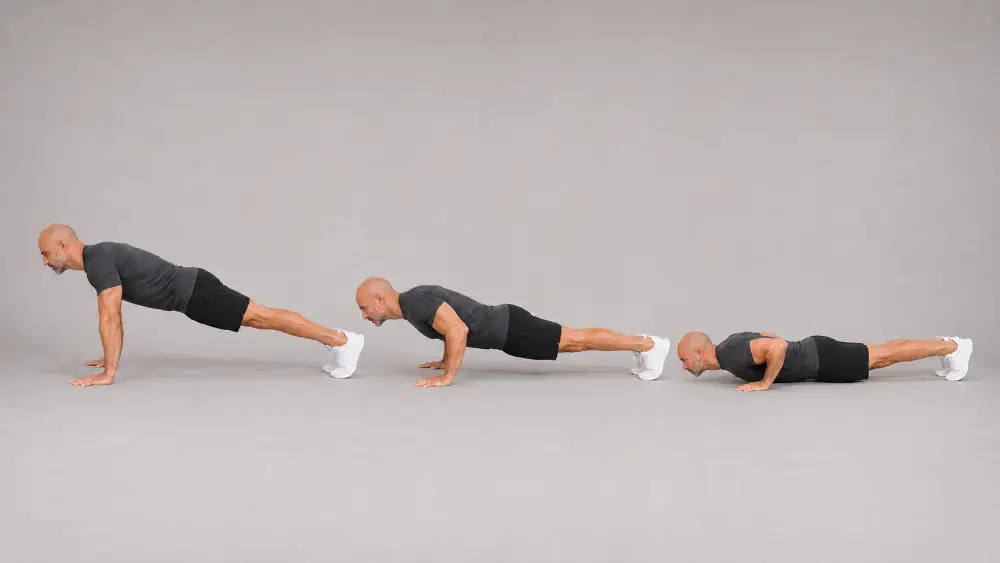
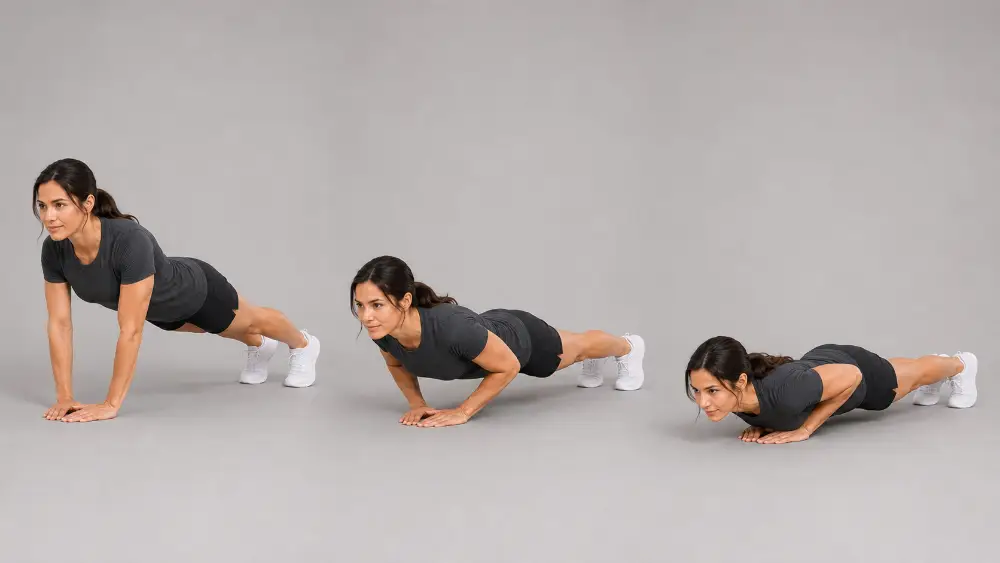
The fundamental bodyweight pushing movement. Chest, front delts and triceps work together.
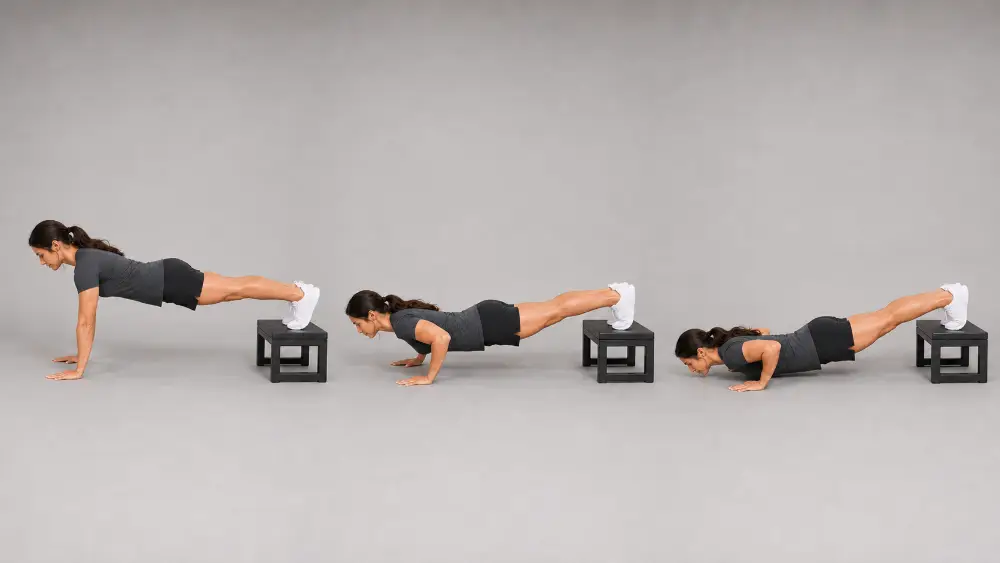
A push-up variation with elevated feet. Shifts the load to the upper chest and shoulders.
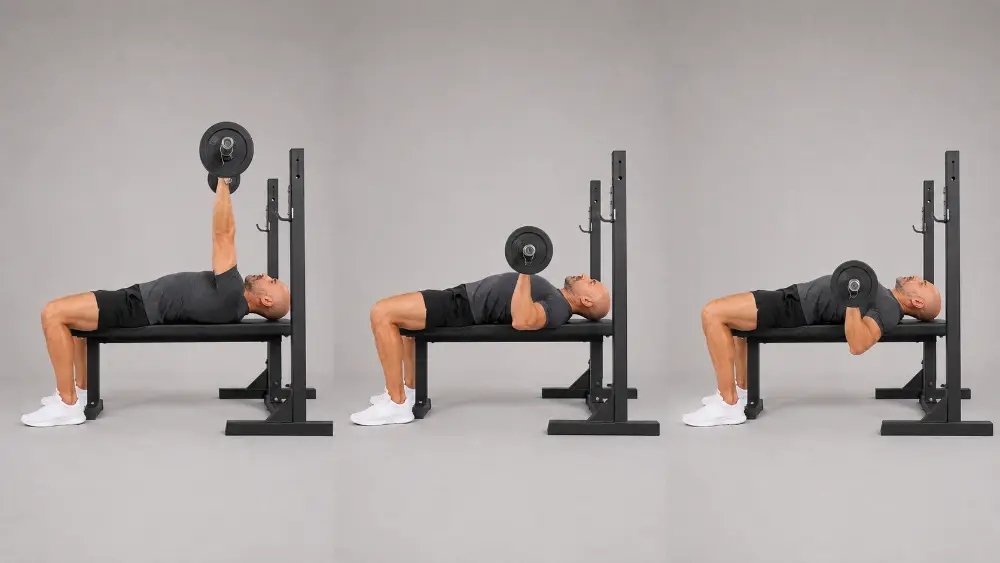
Horizontal pressing with a barbell: the fundamental free-weight movement for chest strength.
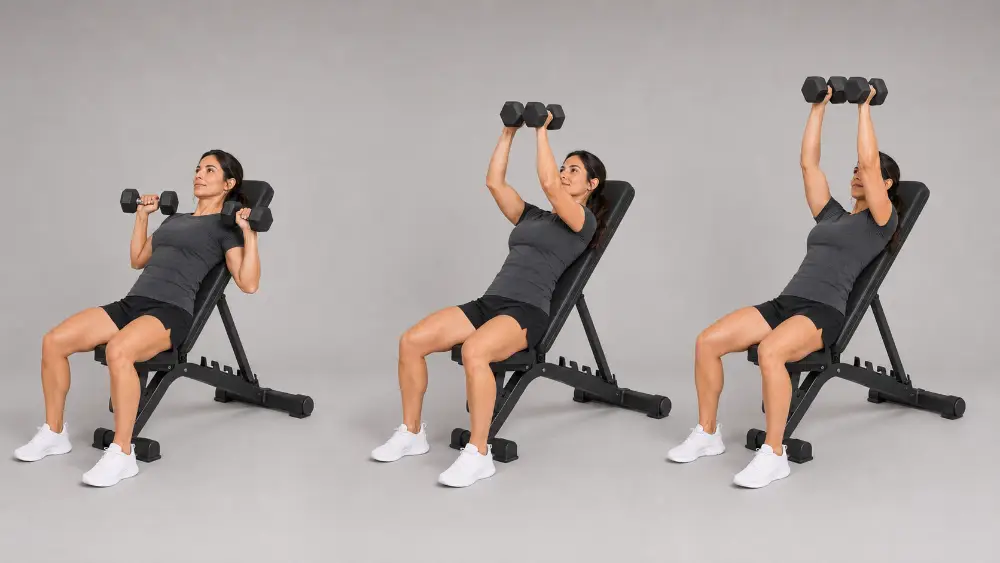
Dumbbell pressing on a 30-45 degree incline bench: targets the upper chest; the instability also works the core.
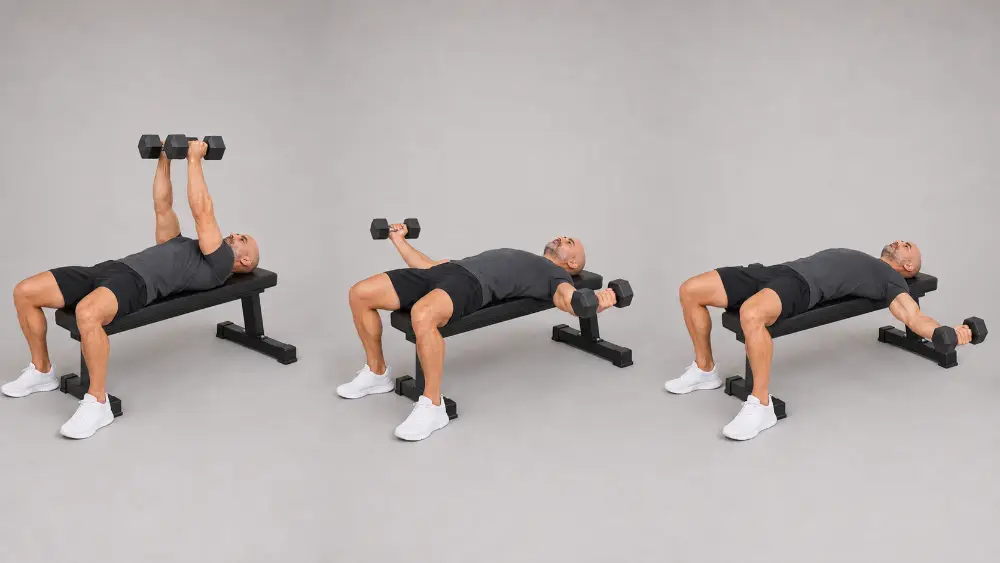
An opening-closing movement that isolates the chest through a deep stretch.
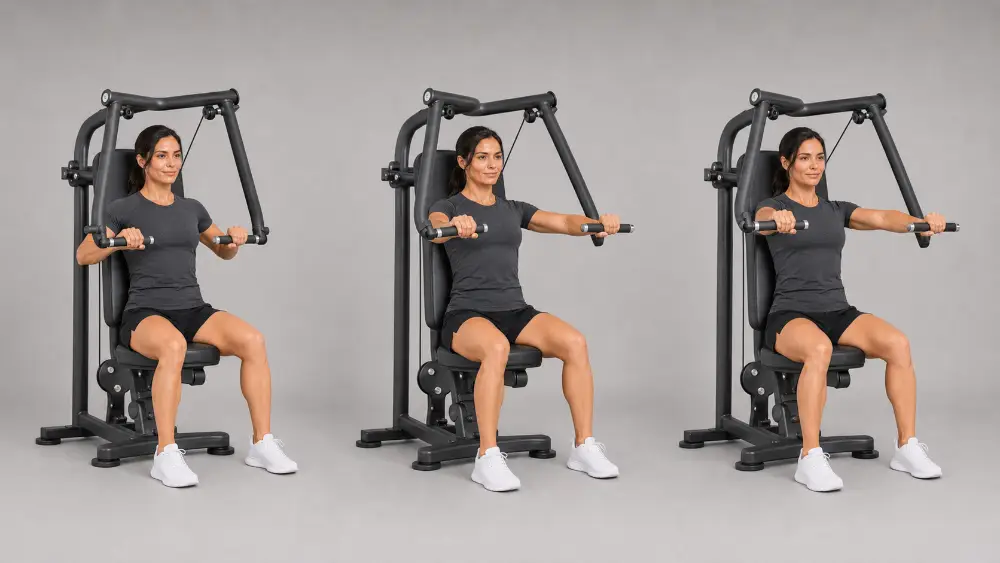
A safe, easy-to-learn chest press thanks to the fixed movement path.
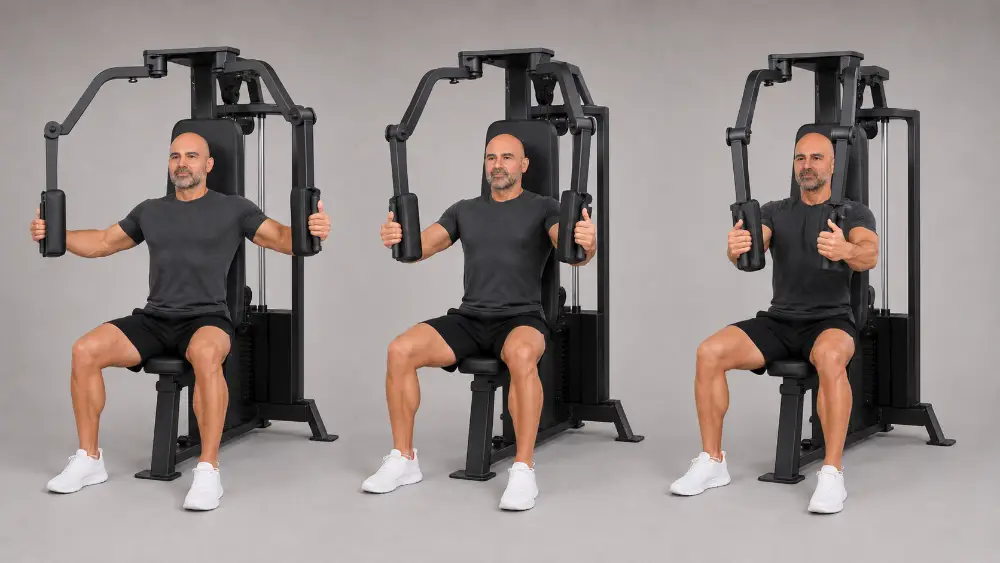
Machine-supported fly: isolates the chest without the risks of free weights.
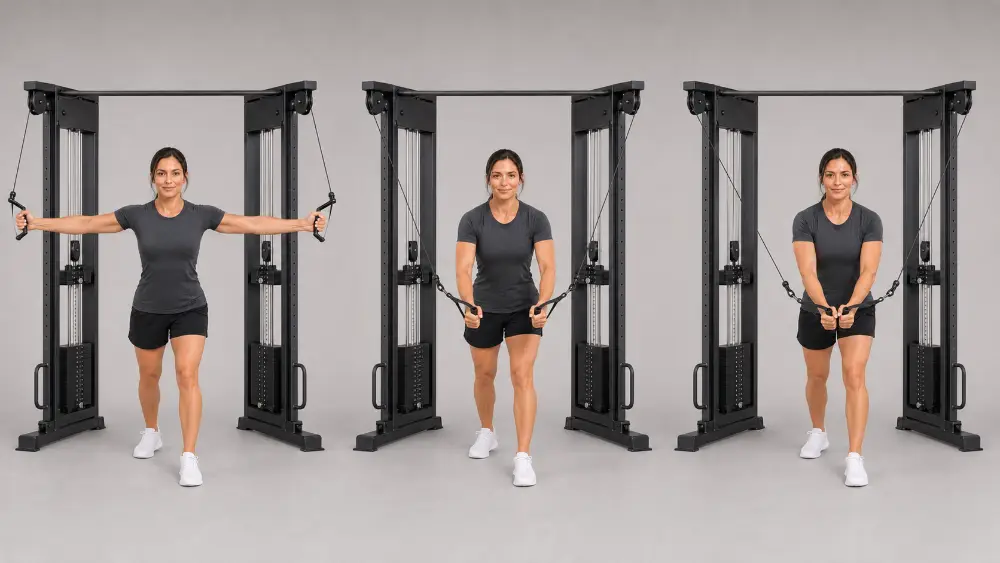
Crossover fly at the cable station: keeps constant tension on the chest through the whole range.
Back
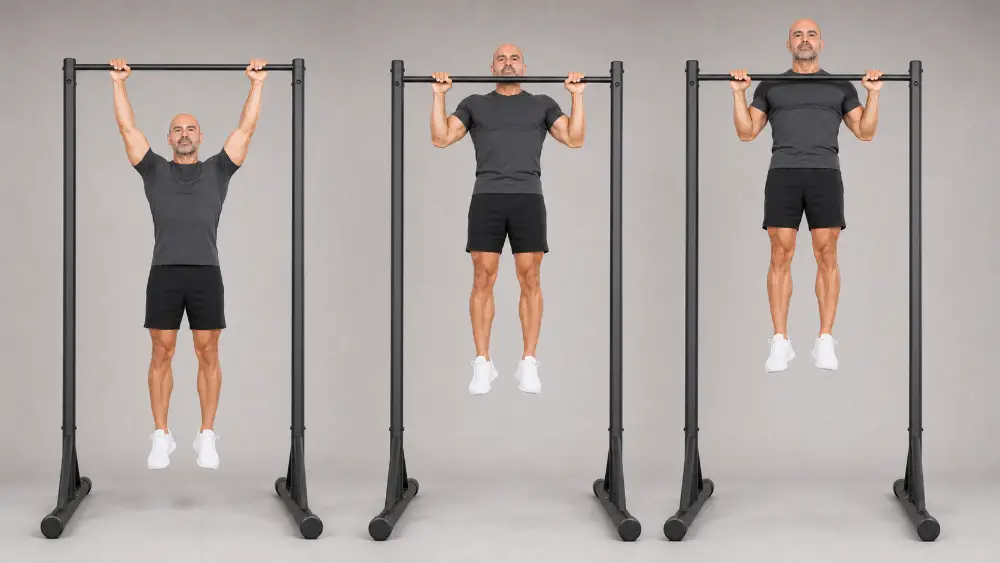
Vertical pulling with bodyweight: the gold standard for back width.
A prone bodyweight movement that strengthens the lower back and spinal erectors.
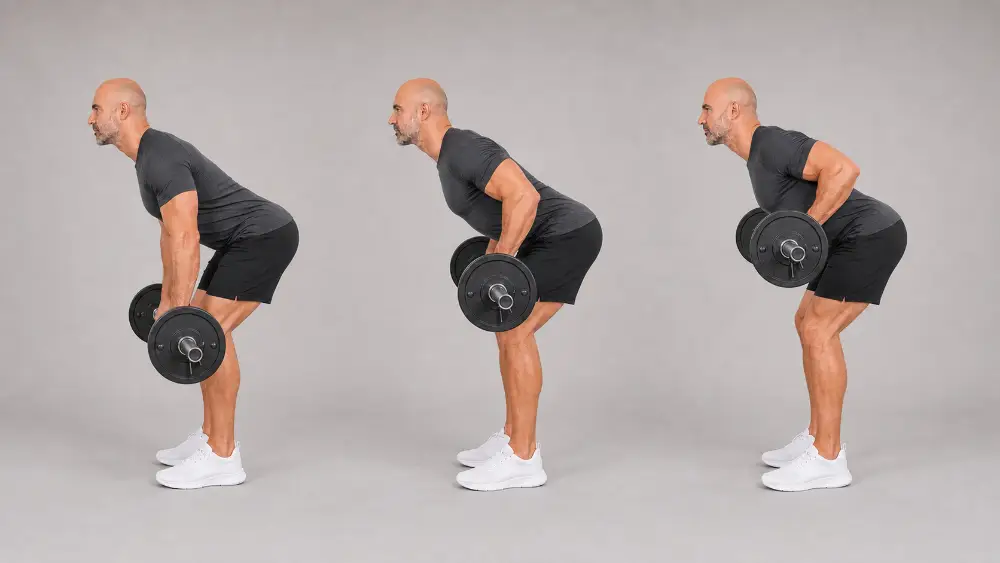
A bent-over horizontal pull: the fundamental movement for back thickness.
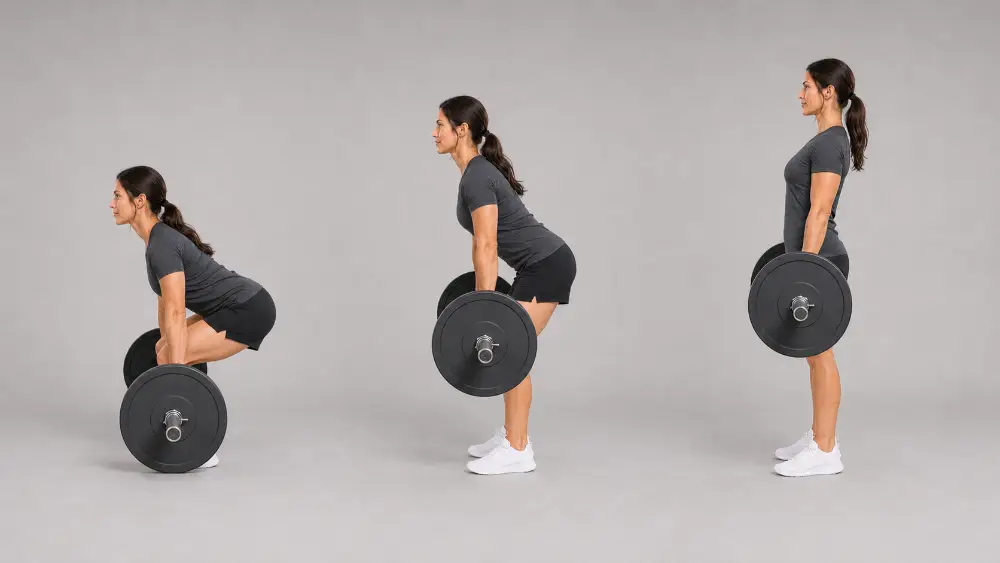
Lifting from the floor: the most fundamental strength exercise, training the entire posterior chain in one movement.
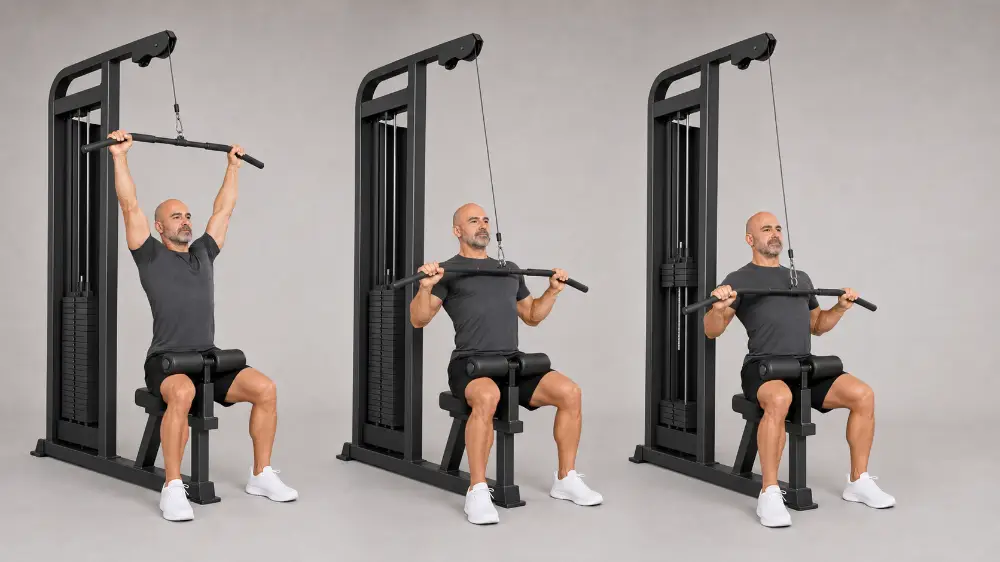
The machine counterpart of the pull-up: a vertical pull targeting the lats.
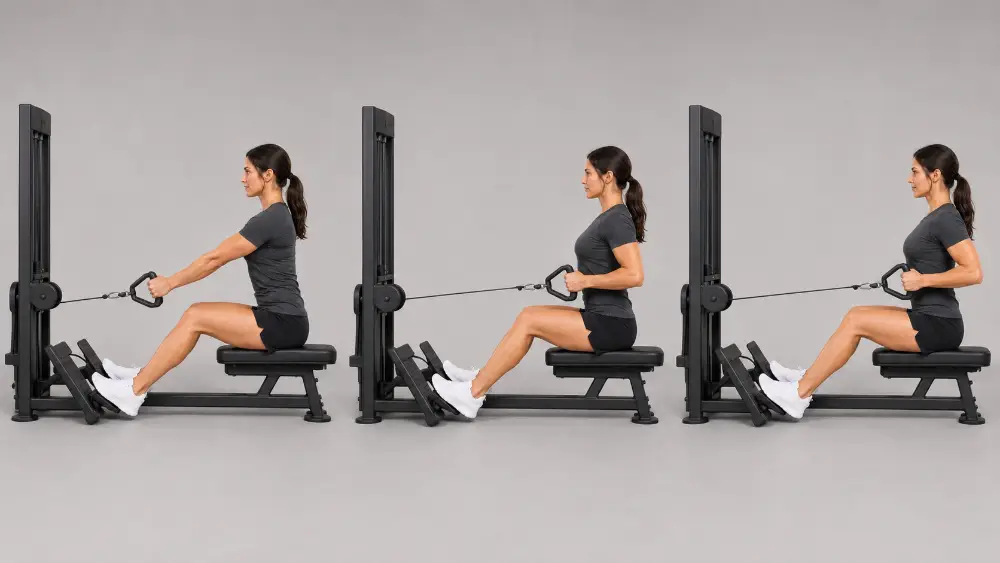
A seated horizontal cable pull for the mid-back and rhomboids.
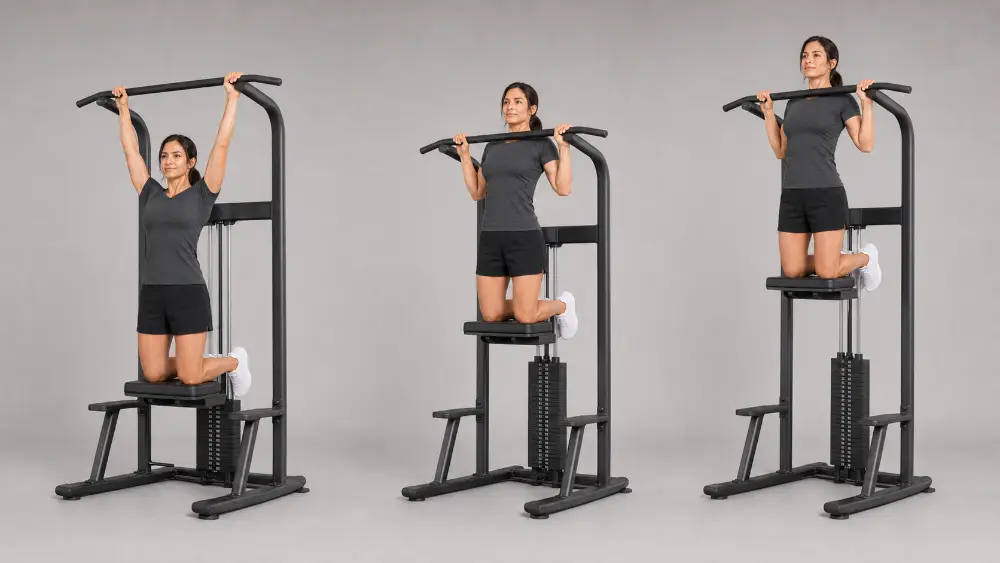
The counterweight-assisted pull-up machine: the most controlled path to a full pull-up.
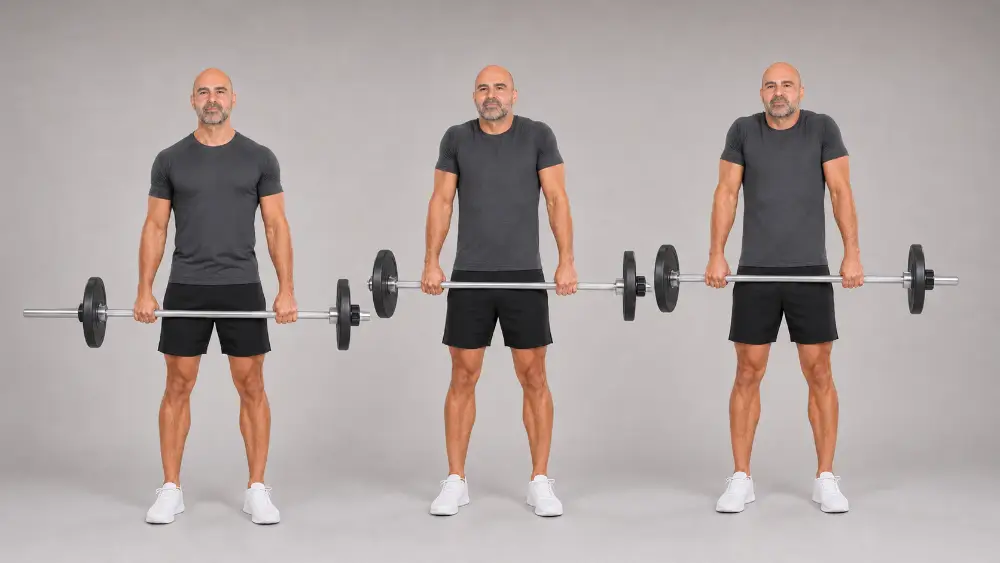
The shoulder shrug: isolates the upper trapezius.
Shoulders
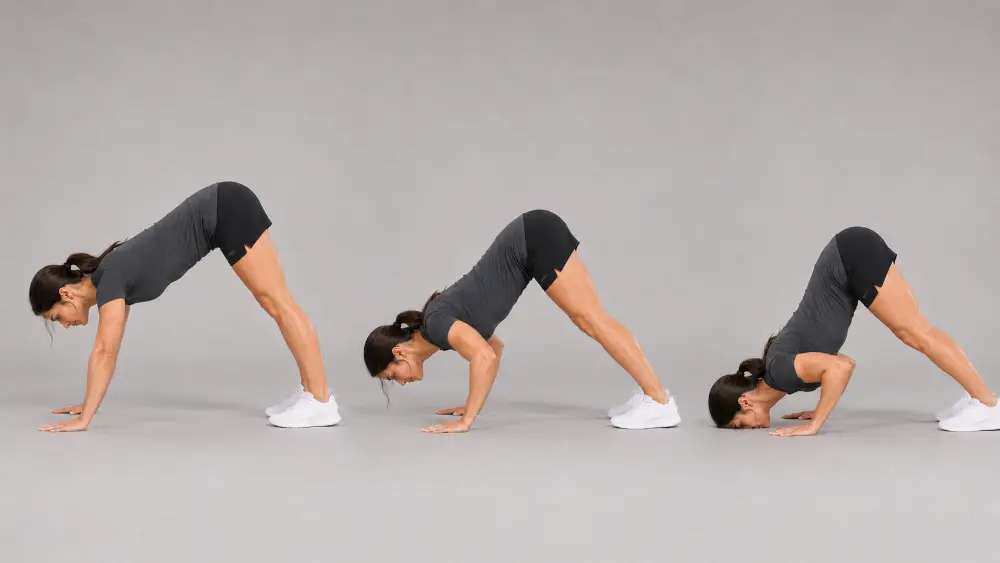
A push-up with hips high: builds overhead pressing strength without equipment.
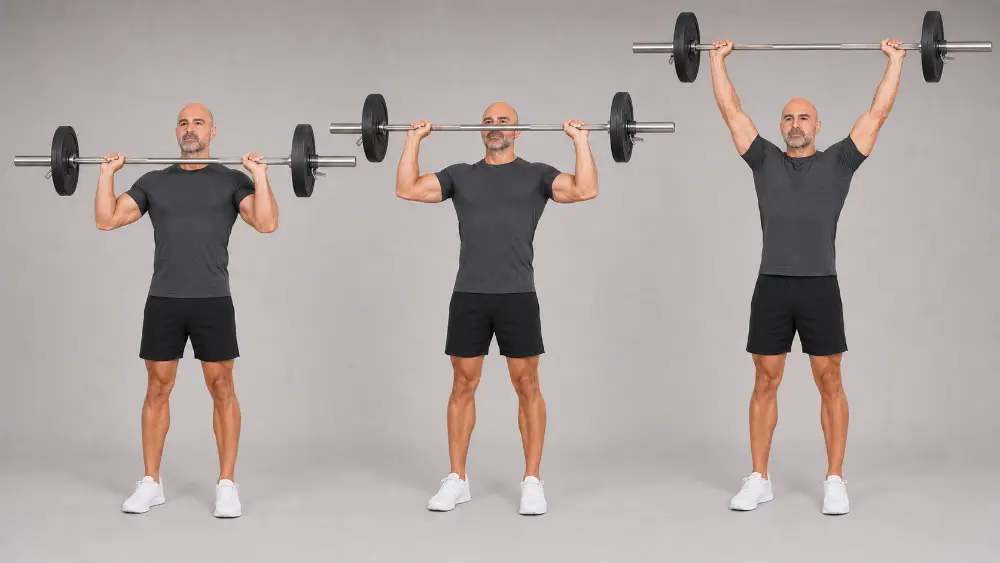
The standing overhead barbell press: the benchmark of shoulder strength.
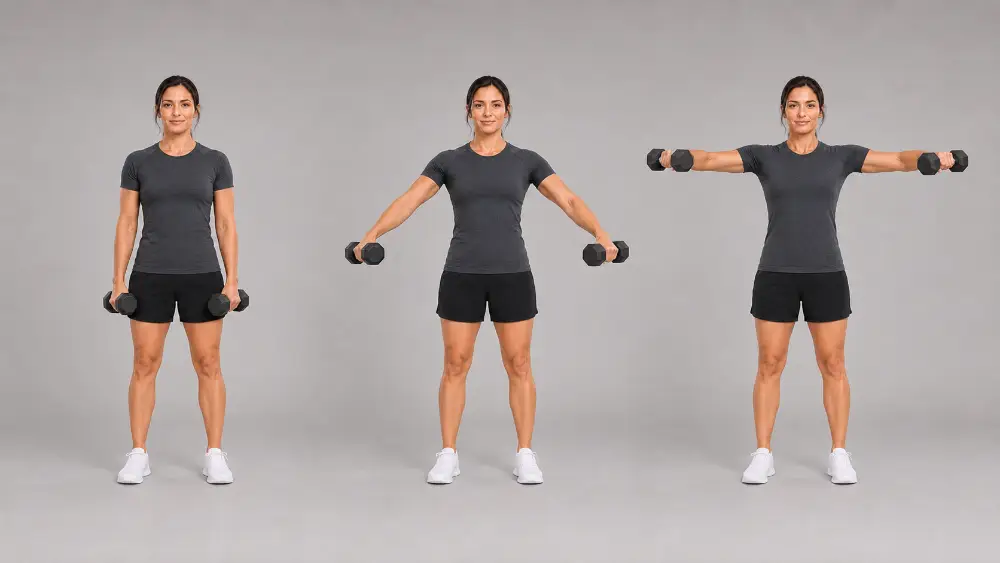
A light-weight movement isolating the side delts: built for shoulder width.
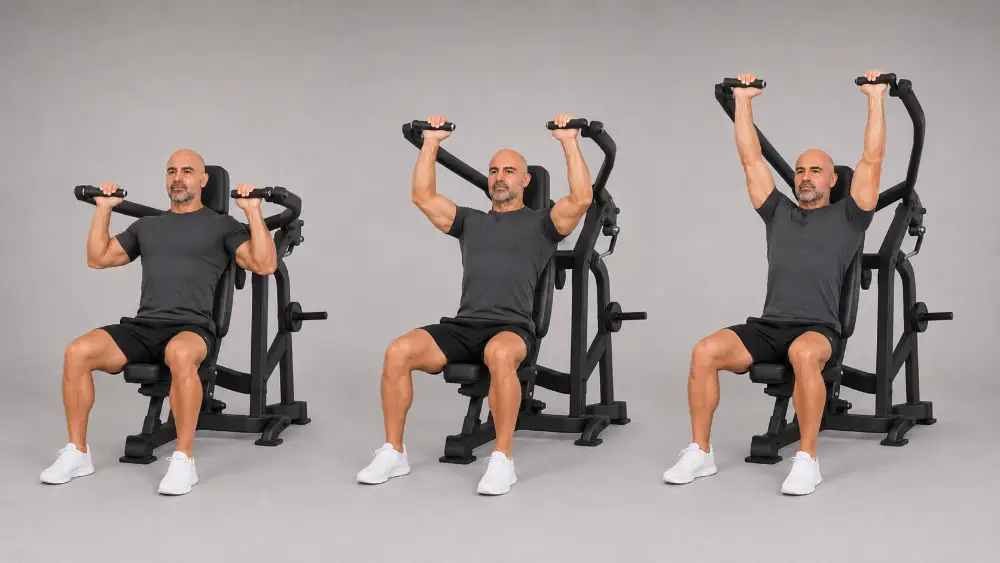
Safe overhead pressing on a fixed path; ideal for getting started with shoulder training.
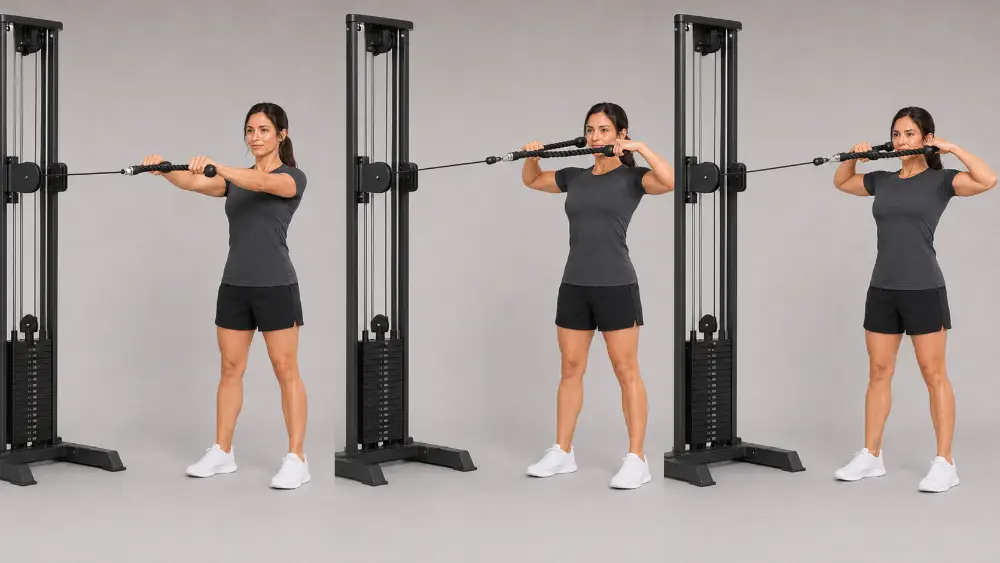
Pulling the rope toward your face: one of the most valuable movements for rear delts and posture.
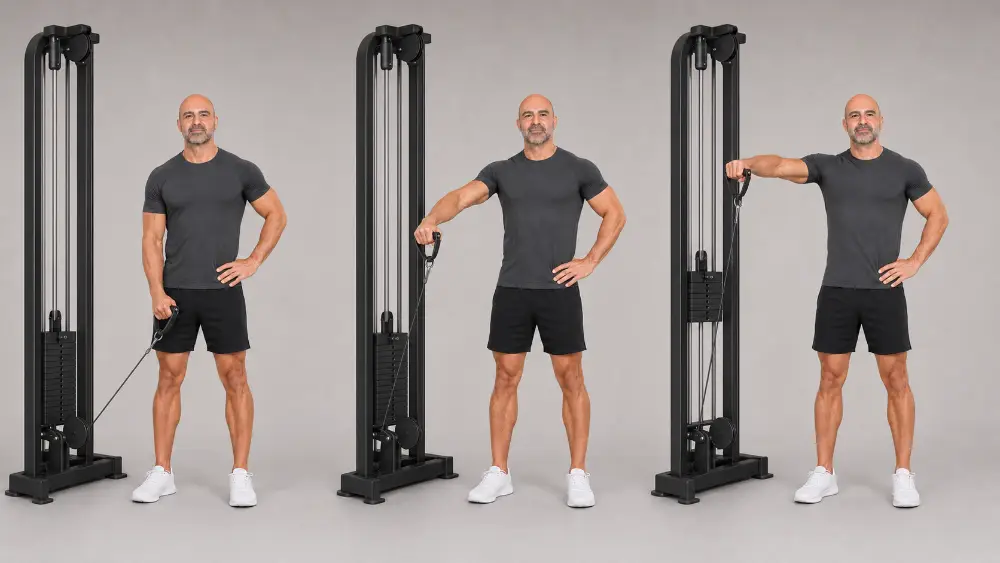
Lateral raises on the cable: keeps tension on the delt even at the very bottom of the movement.
Arms
A close-grip push-up with joined hands: one of the most effective bodyweight triceps movements.
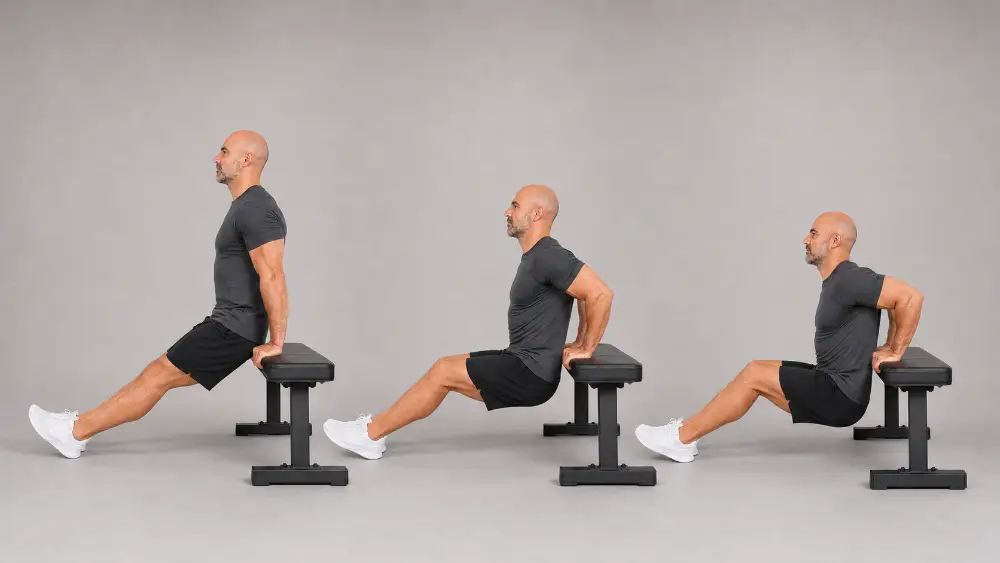
A triceps press performed on the edge of a bench or chair.
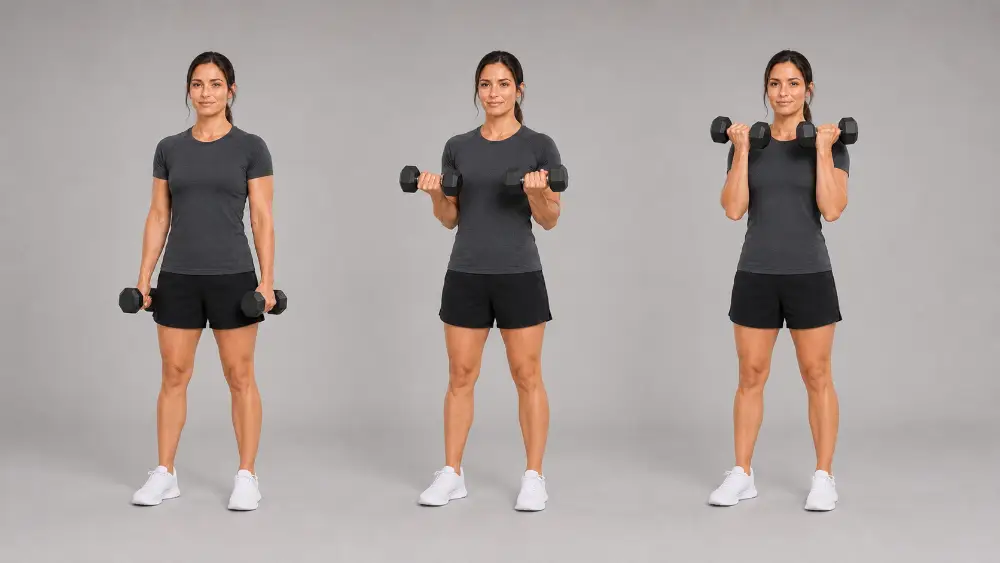
The basic biceps isolation movement with dumbbells.
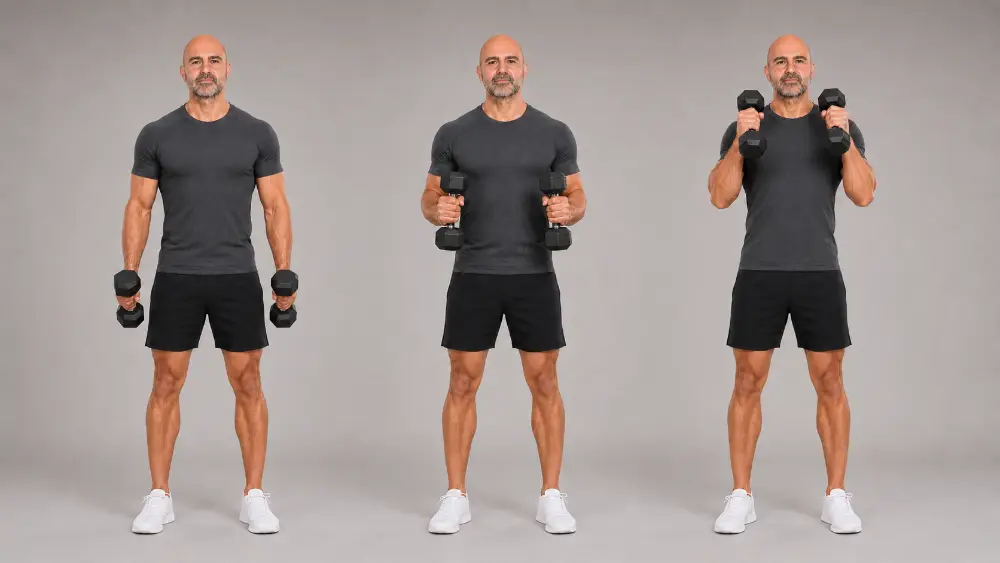
A curl with a neutral grip: also recruits the forearms and brachialis.
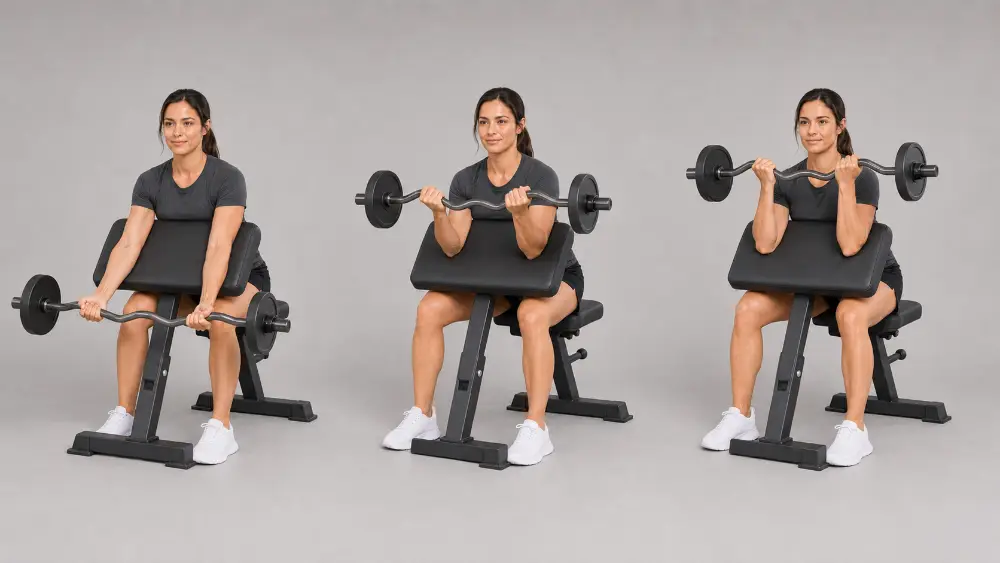
A curl performed on an arm pad: makes cheating impossible and fully isolates the biceps.
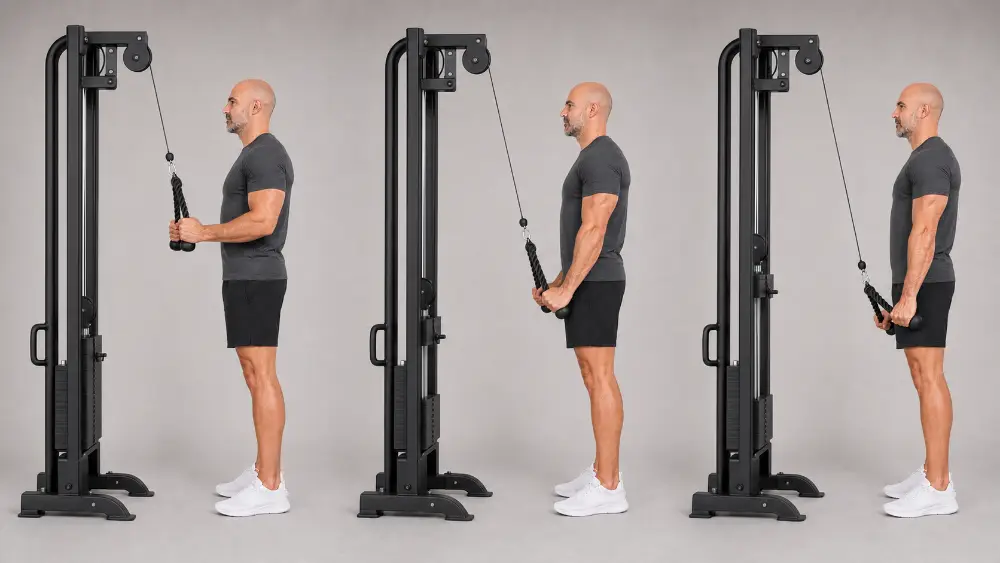
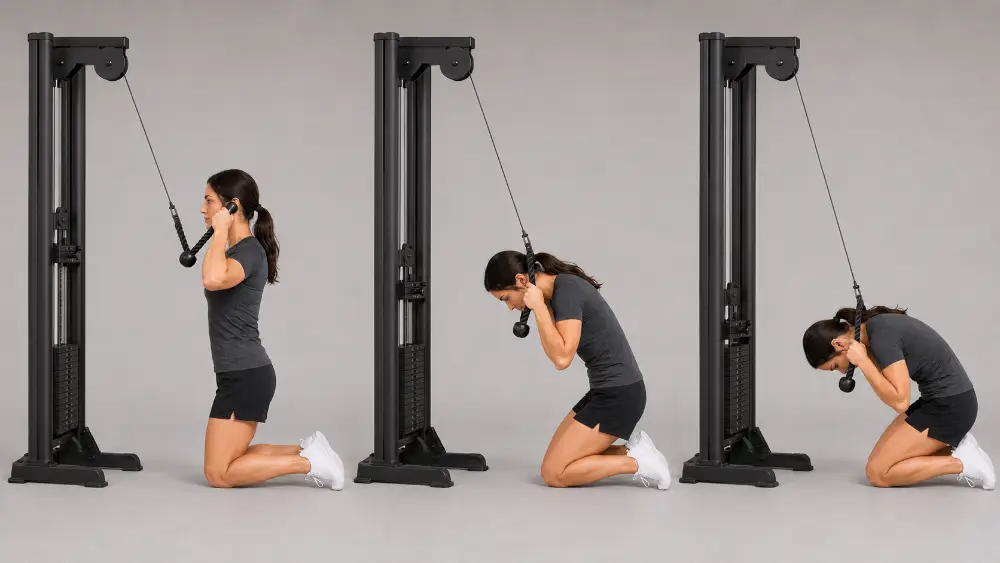
Triceps isolation at the cable station: focused purely on elbow extension.
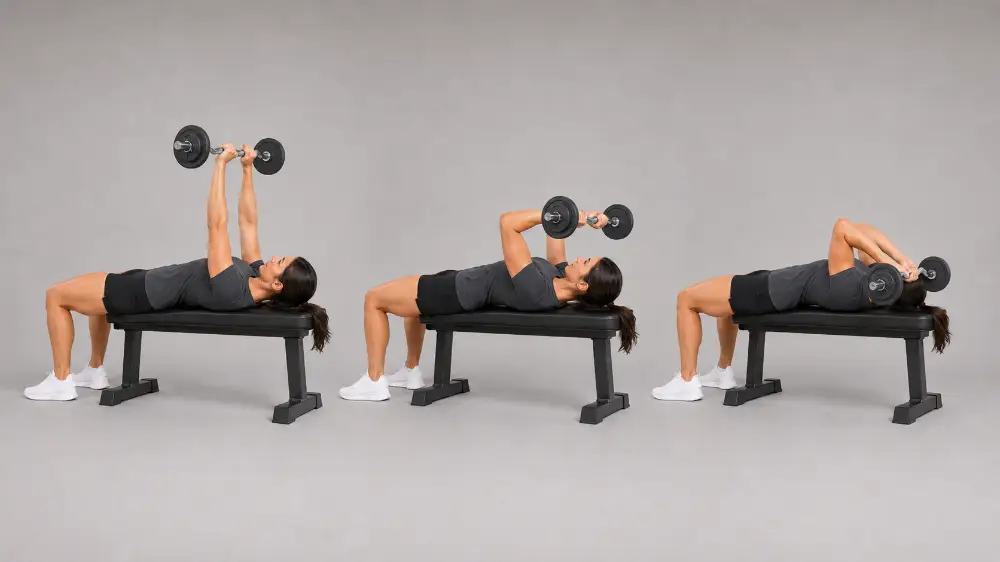
Lowering the bar toward your forehead while lying down: deeply trains the long head of the triceps.
Core
The fundamental isometric core endurance exercise: holding your body in a straight line.
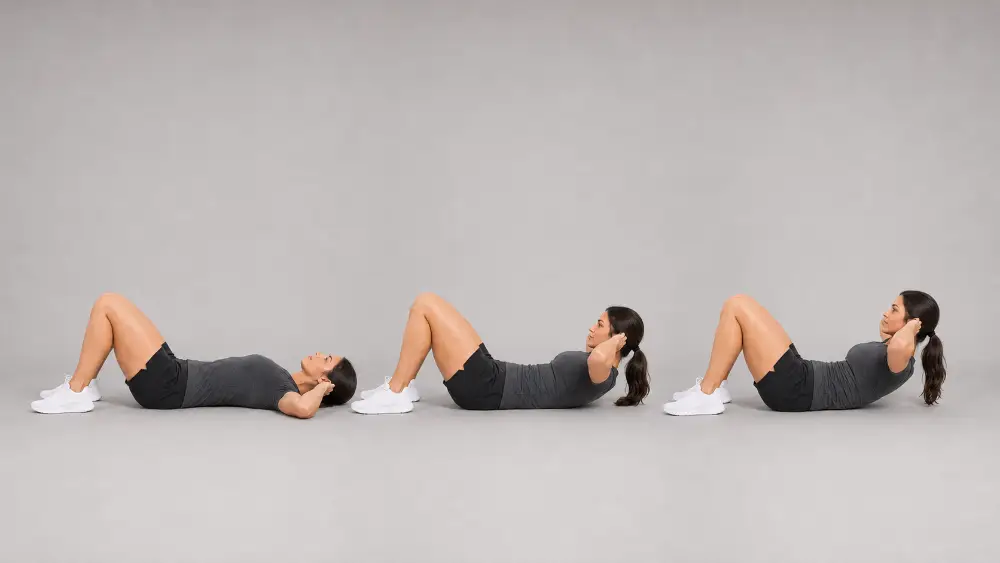
The classic trunk-flexion movement targeting the upper abs.
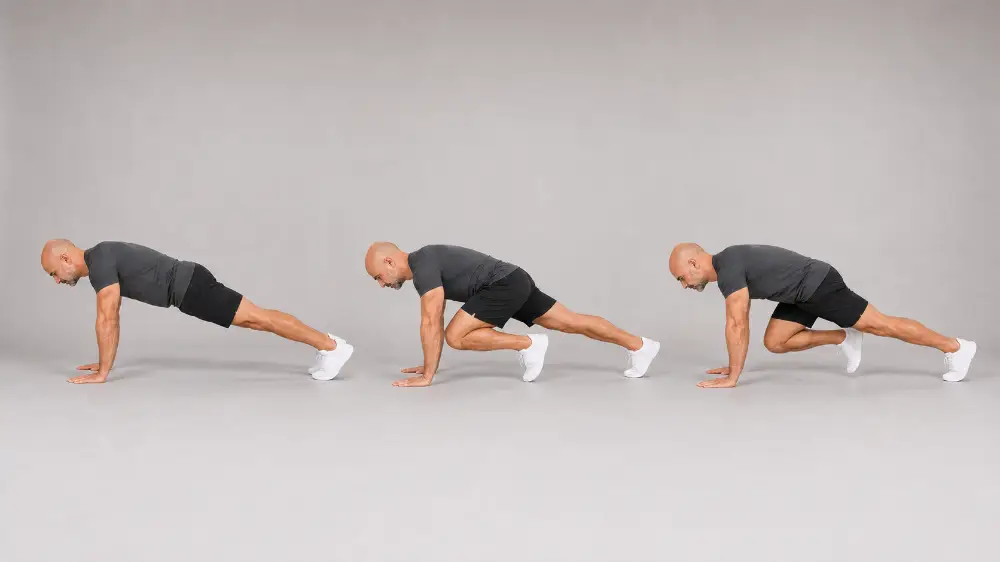
Running in a plank: trains core stability and conditioning at the same time.
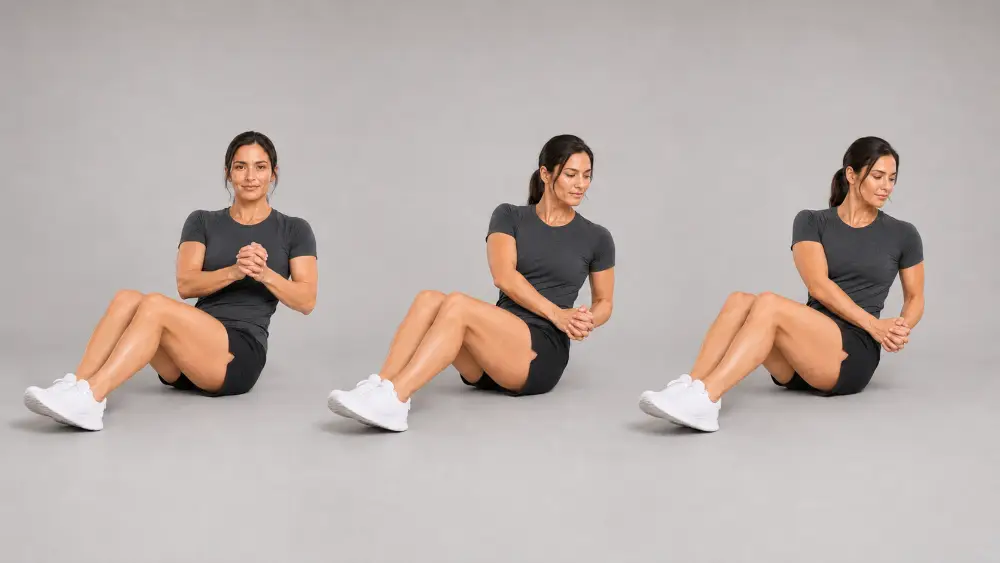
A seated trunk rotation targeting the obliques.
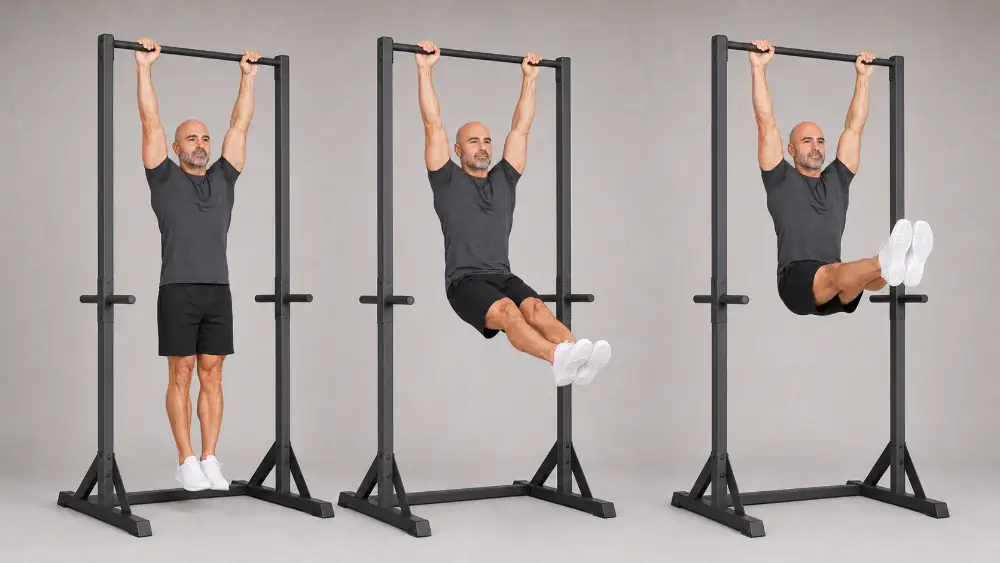
Raising your legs while hanging from a bar: one of the toughest lower-ab movements.
A loadable crunch with cable resistance: applies progressive overload to the abs.
Legs
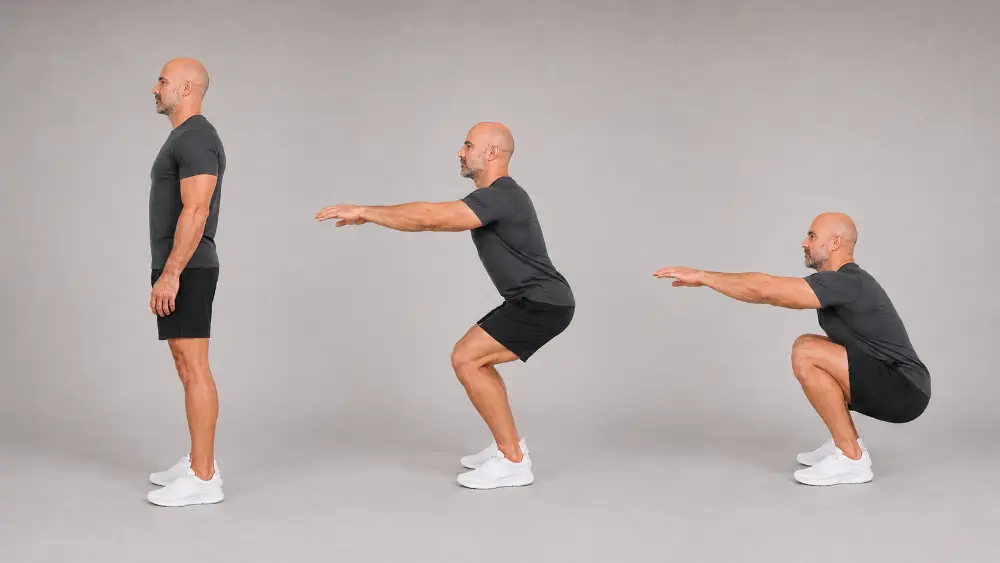
The bodyweight squat: the foundation of all lower-body movements.
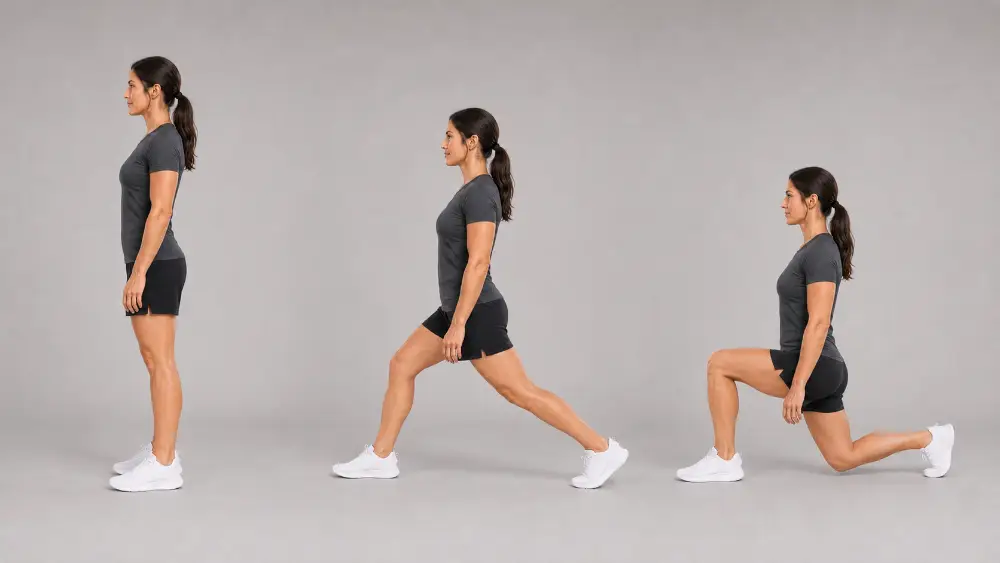
A single-leg movement performed by stepping forward: balance and leg strength.
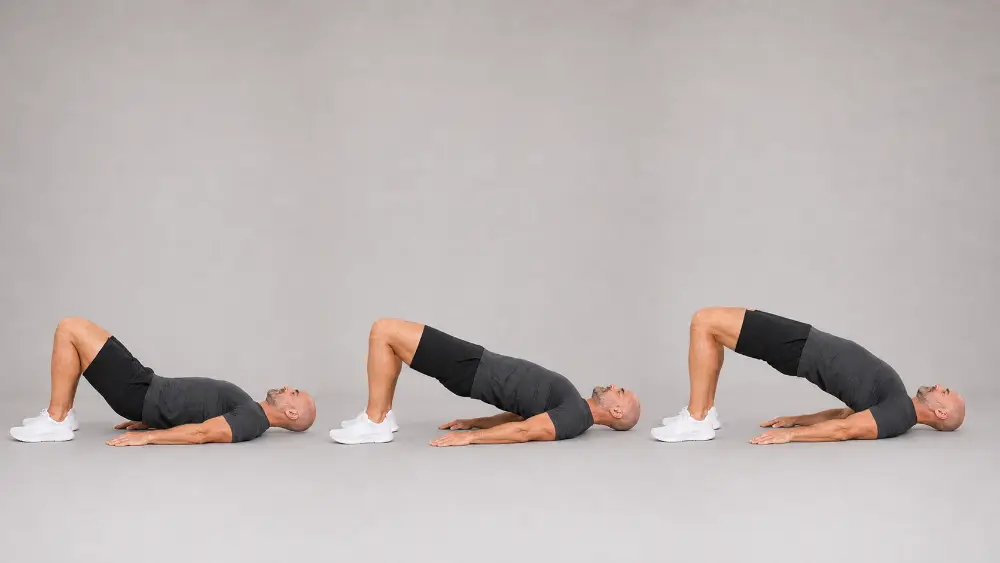
Raising your hips from the floor: the basic movement for glute and hamstring activation.
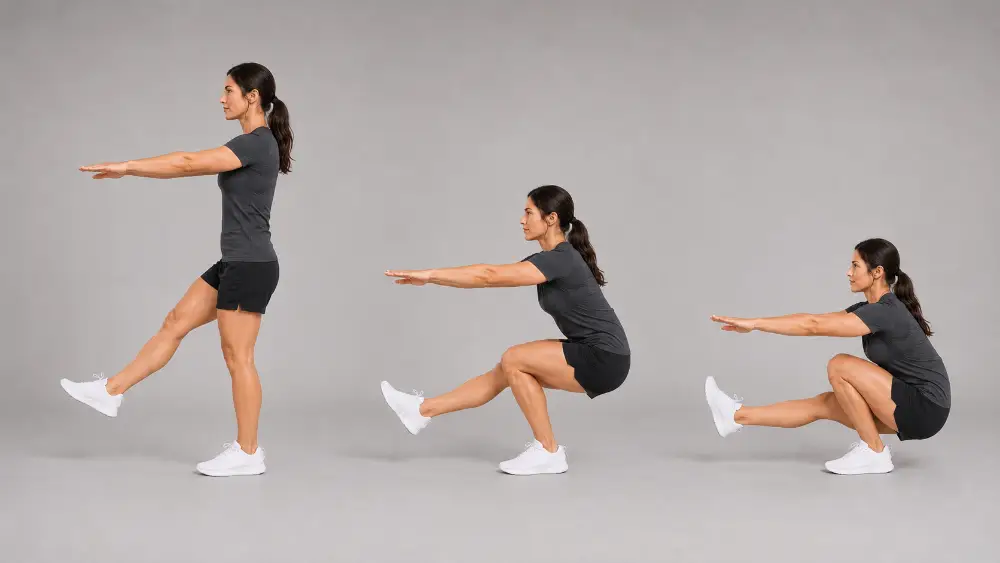
A full single-leg squat: the advanced test of strength, balance and mobility.
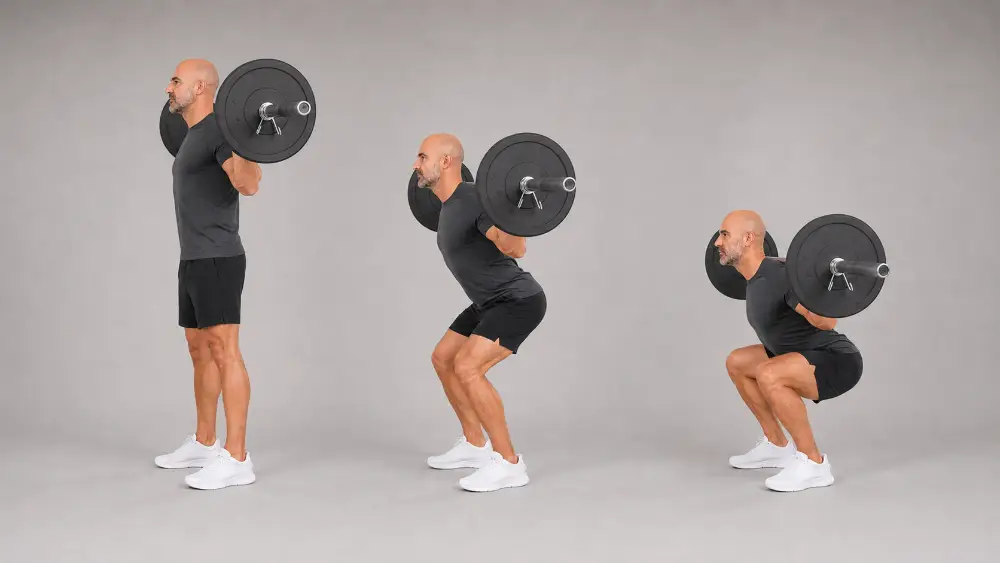
The full squat with a bar on your back: the king of lower-body strength.
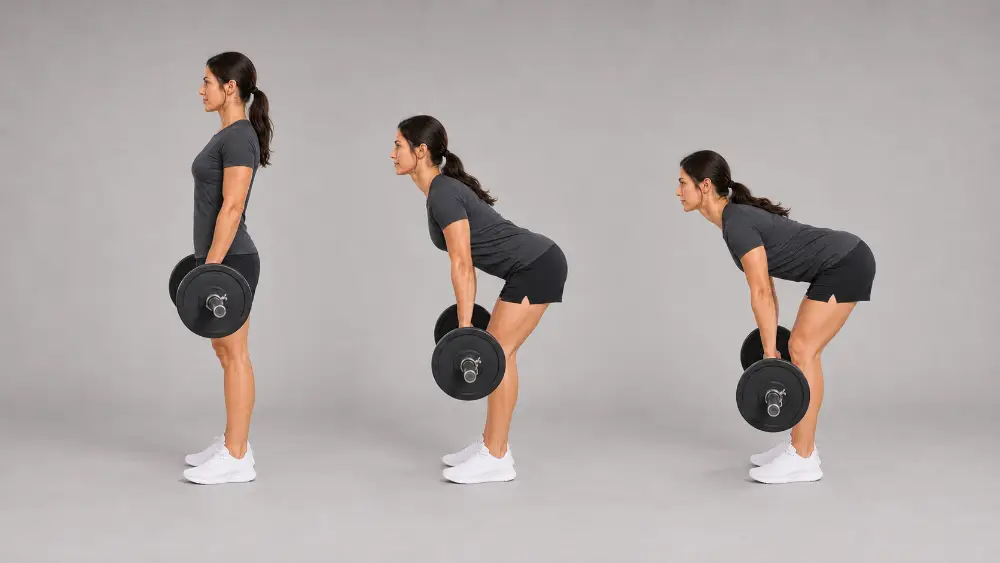
The hip-hinge movement: the fundamental exercise for the hamstring and glute chain.
A bridge with your back on a bench and the bar on your hips: the most loadable glute strength movement.
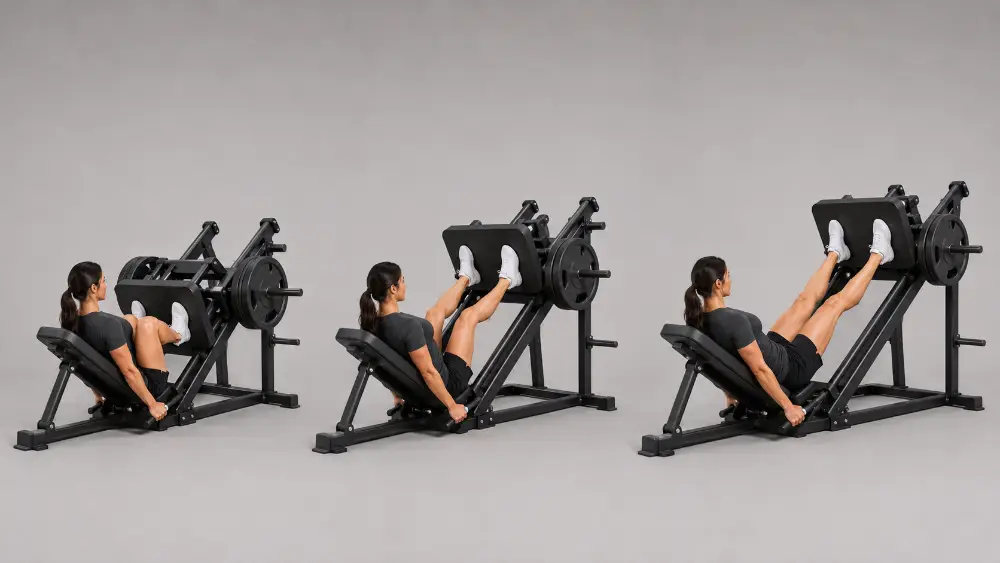
Safe, high-volume leg pressing with machine support.
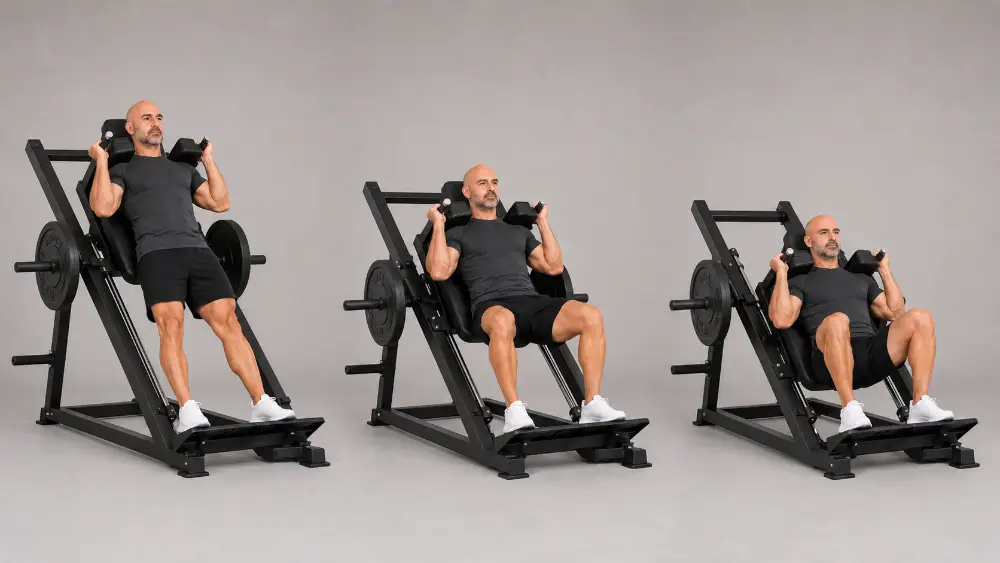
A back-supported squat on an inclined sled: loads the quads without any balance concerns.
Squatting with a rail-guided bar: a safe learning environment on the way to the barbell squat.
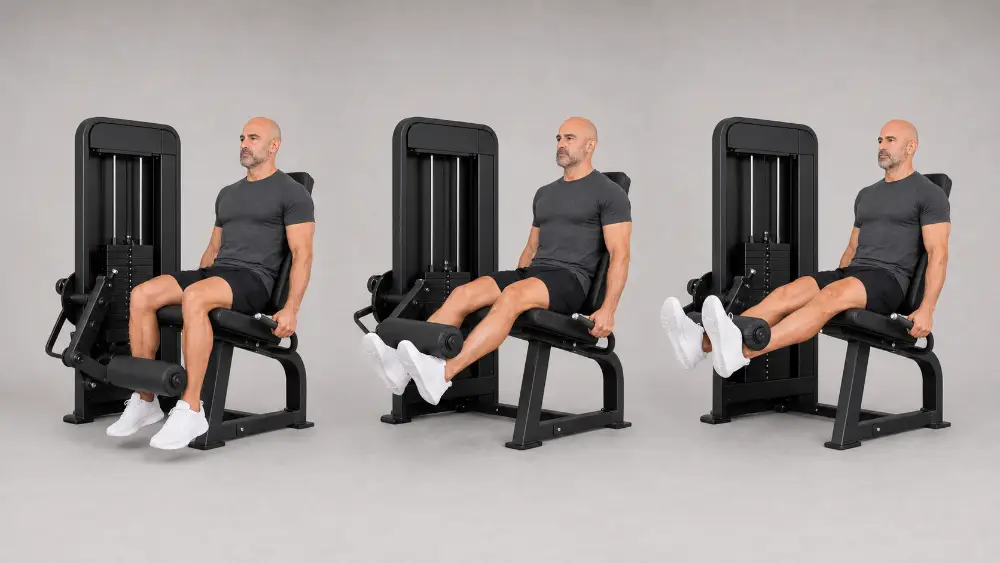
Seated knee extension: the machine movement that fully isolates the quads.
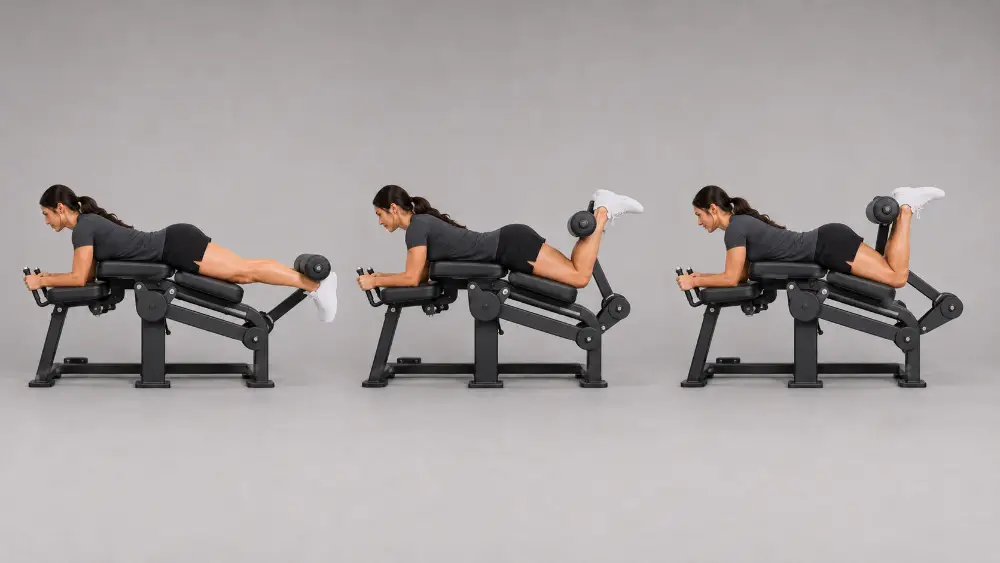
The knee-flexion machine: the basic movement isolating the hamstrings.
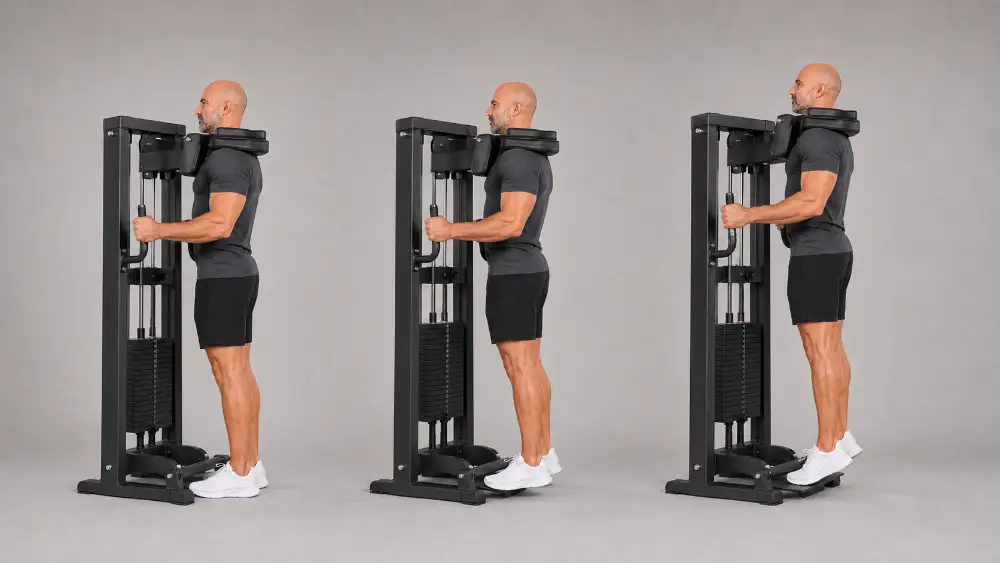
Rising onto your toes on the machine: direct progressive load for the calves.